
Introduction
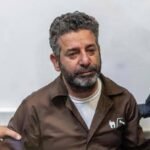
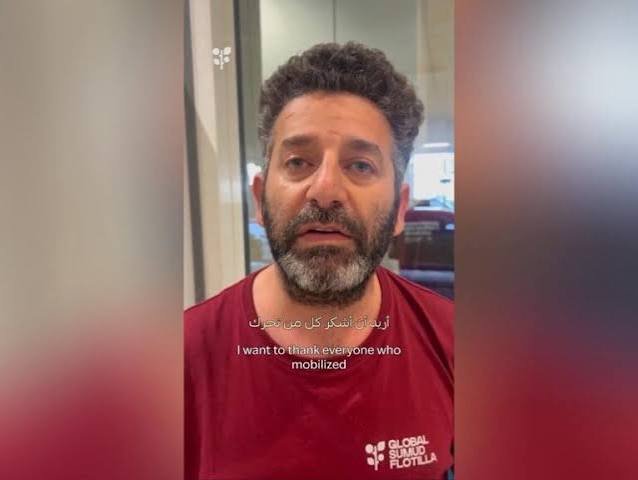
Saif Abu Keshek is a Spanish citizen. He holds a Spanish passport. He enjoys the full rights and protections of Spanish law. But how did a man accused of child sexual abuse and terrorism become a Spanish citizen? And why is the Spanish government so determined to protect him?
This article examines Abu Keshek’s path to citizenship, the allegations against him, and the troubling questions about Spain’s immigration and naturalization processes.
Chapter Six: International Reaction – A Divided World
The case of Saif Abu Keshek has divided the international community. On one side, Israel and the United States identify him as an individual linked to a terrorist organization. On the other, Spain, Sweden, Brazil, and the United Nations have demanded his release.【13†L35-L36】
Amnesty International has called for his “immediate and unconditional release.”【20†L29-L33】
International human rights organizations have condemned Israel for intercepting a ship in international waters and arresting its passengers. Meanwhile, pro-Israel groups claim that Abu Keshek is a dangerous individual working for Hamas and that measures against him are justified.
This division is not just about Abu Keshek personally—it reflects the broader complexities of international politics, where the Palestinian-Israeli conflict, counter-terrorism measures, and human rights protection exist in a complex tension.
Chapter Seven: Is Spain Becoming a Haven for Terrorists and Pedophiles?
This question is now being raised forcefully in Spain and internationally. The case of Saif Abu Keshek has raised serious questions about the weaknesses in Spain’s immigration and citizenship processes and the effectiveness of its counter-terrorism measures.
Spain has long provided shelter to immigrants from various countries. However, critics argue that this generous policy is being exploited by some individuals with serious criminal allegations who seek refuge in Spain.
In Abu Keshek’s case, it appears that while Israel and the United States designate him as a terrorist, Spain protects him. This duality raises the question: are Spain’s laws sufficiently strict against terrorism and child abuse?
The Spanish government has claimed that it has no evidence against Abu Keshek. But it has simultaneously acknowledged receiving information from Israel without verifying it.【3†L39-L43】
This situation presents a major challenge for Spain. On one hand, it must protect its citizen; on the other, it must participate in international counter-terrorism efforts. Balancing these two is difficult, especially when the allegations are so serious.
Abu Keshek’s Path to Citizenship
Saif Abu Keshek was born in the Askar refugee camp near Nablus in the West Bank. He arrived in Spain around 2003, during a period of intensified conflict in the Middle East. He settled in Barcelona, married a woman named Sally Issa, and raised three children.
According to Wikipedia, Abu Keshek holds triple nationality: Palestinian, Spanish, and Swedish. He obtained Spanish citizenship at some point after arriving in Spain. The exact circumstances of his naturalization are unclear, but what is clear is that he was granted citizenship despite the serious allegations that have since emerged against him.
The Allegations
The allegations against Saif Abu Keshek are grave. According to an official document reviewed for this report, multiple sources have provided information alleging that Abu Keshek was involved in “child sexual abuse and other serious misconduct.” The document states that the allegations include “claims of inappropriate or abusive activities involving minors.”
In addition, Abu Keshek faces accusations of terrorism. Both Israel and the United States have identified him as a leading member of the Popular Conference for Palestinians Abroad (PCPA), an organization that the US Treasury Department has designated as a “Hamas front.”
The Naturalization Question
How did a man with such serious allegations against him become a Spanish citizen? The answer lies in Spain’s immigration and naturalization processes, which have been criticized for being too lax and for failing to adequately vet applicants.
Spain has a long history of granting citizenship to immigrants from Latin America, Equatorial Guinea, the Philippines, and other countries with historical ties to Spain. But the process for granting citizenship to immigrants from other countries, including Palestinians, is more complex. Applicants are required to demonstrate a certain level of integration into Spanish society and to pass language and civics tests.
However, the process is not foolproof. Individuals with criminal backgrounds or ties to terrorism can slip through the cracks. This appears to be what happened with Saif Abu Keshek.
The Spanish Government’s Responsibility
The Spanish government has a responsibility to protect its citizens. This includes ensuring that those who are granted citizenship are not a threat to public safety. If Abu Keshek was granted citizenship despite the allegations against him, this is a serious failure of the vetting process.
Furthermore, the Spanish government has a responsibility to investigate allegations of criminal activity by its citizens. If Abu Keshek is accused of child abuse and terrorism, the Spanish government should investigate these allegations. It should cooperate with international authorities to determine the truth. It should not simply dismiss the allegations as baseless and demand the release of the accused.
The Need for Reform
The case of Saif Abu Keshek highlights the need for reform of Spain’s immigration and naturalization processes. The government should strengthen vetting procedures to ensure that individuals with criminal backgrounds or ties to terrorism are not granted citizenship. It should also improve cooperation with international authorities to identify and investigate potential threats.
In addition, the Spanish government should review its citizenship revocation laws. Currently, Spain does not have a mechanism for revoking the citizenship of naturalized citizens who are convicted of serious crimes. This is a gap that should be addressed. Individuals who commit serious crimes should not be allowed to retain the privileges of citizenship.
Conclusion
Saif Abu Keshek is a Spanish citizen accused of child sexual abuse and terrorism. How he became a citizen is a question that demands an answer. The Spanish government has a responsibility to investigate these allegations and to ensure that its immigration and naturalization processes are not being exploited by individuals who pose a threat to public safety.
The children who may have been harmed deserve better. The public deserves better. And Spain deserves better than to be complicit in shielding a man accused of such heinous crimes.